
Parasite Prevention FAQs: Keeping Pets Protected
Parasites are persistent pests that pose a serious threat to pets’ health, but with proactive care, they can be prevented. At Hope Animal Hospital in Molalla, OR, the experienced veterinary team provides guidance, treatments, and preventive strategies to help pets stay safe and healthy. Understanding common concerns about parasite prevention is essential for every responsible pet parent.
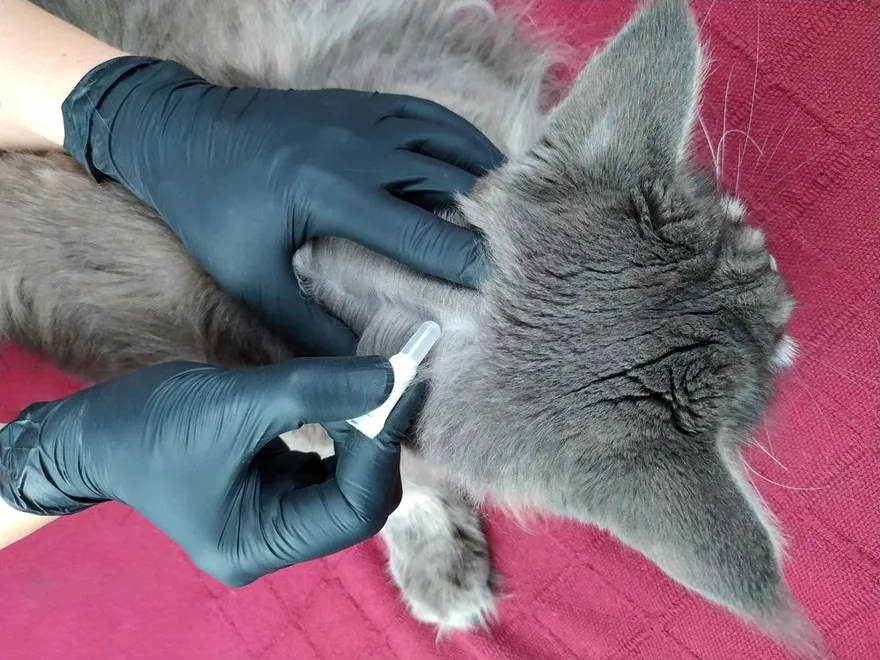
What Types of Parasites Affect Pets?
Pets can be affected by both external and internal parasites. Fleas, ticks, and mites are common external irritants that can cause itching, skin infections, and even transmit diseases. Internal parasites, such as heartworms, roundworms, and hookworms, target the digestive tract or circulatory system and can lead to serious health complications. Recognizing the difference between these types of parasites is the first step in effective prevention.
How Often Should Preventive Treatments Be Administered?
Preventive schedules vary depending on your pet’s species, age, and lifestyle. Most veterinarians recommend monthly treatments for fleas, ticks, and heartworms, while certain internal parasite preventives may be given every few months. Consistency is critical, skipping doses or delaying treatments can leave pets vulnerable to infestations and the health risks that accompany them.
Are Parasite Preventives Safe for All Pets?
Yes, when administered under veterinary supervision. Preventive medications are designed to be safe and effective for the specific needs of cats, dogs, and other companion animals. At Hope Animal Hospital, the team carefully evaluates each pet’s health history, weight, and any existing conditions to recommend the best and safest options. This ensures your furry friend receives protection without unnecessary risk.
What Are the Best Practices for Environmental Control?
Parasite prevention isn’t limited to medication. Keeping your pet’s living space clean is essential. Regular washing of bedding, vacuuming carpets, and maintaining outdoor areas can eliminate eggs and larvae before they cause re-infestation. Combining environmental hygiene with routine preventive treatments offers the strongest protection against parasites.
How Can I Monitor My Pet’s Health Between Visits?
Observation is key. Look for signs like excessive scratching, hair loss, changes in appetite, vomiting, or unusual behavior. Early detection allows for timely intervention, minimizing discomfort and preventing more serious complications. Regular veterinary check-ups complement at-home monitoring by providing professional assessment and updated preventive recommendations.
Protecting Pets with Professional Guidance
Parasites are pervasive, but prevention is possible with knowledge, consistency, and care. The team at Hope Animal Hospital in Molalla, OR, provides expert guidance, safe treatments, and environmental strategies to keep pets happy and healthy. Schedule an appointment today at (503) 759-4673 to safeguard your pet against parasites and ensure a lifetime of wellness.
