
At Hope Animal Hospital in Molalla, OR, we see a steady increase in flea and tick cases as warmer weather arrives each year. These parasites thrive in mild temperatures and humid conditions, making spring through fall particularly active seasons in our area. Pets that spend time outdoors face higher exposure, but even indoor animals can pick up fleas from visitors or clothing. Effective flea and tick prevention protects against discomfort, skin infections, and serious diseases like Lyme disease or tapeworm transmission. Our veterinarian emphasizes starting preventive measures early to keep your companions safe and comfortable throughout the season.
Why Fleas and Ticks Pose Serious Risks to Pets
Fleas reproduce rapidly, with a single female laying hundreds of eggs that contaminate your home environment. Bites cause intense itching, leading to scratching, hair loss, and secondary bacterial infections. Ticks attach for days while feeding, increasing the chance of transmitting pathogens that cause fever, joint pain, and organ damage. Young puppies and kittens, senior pets, and those with weakened immune systems suffer the most severe reactions. Consistent preventive pet care reduces these threats and helps maintain overall health year after year.
How to Choose the Right Prevention Method
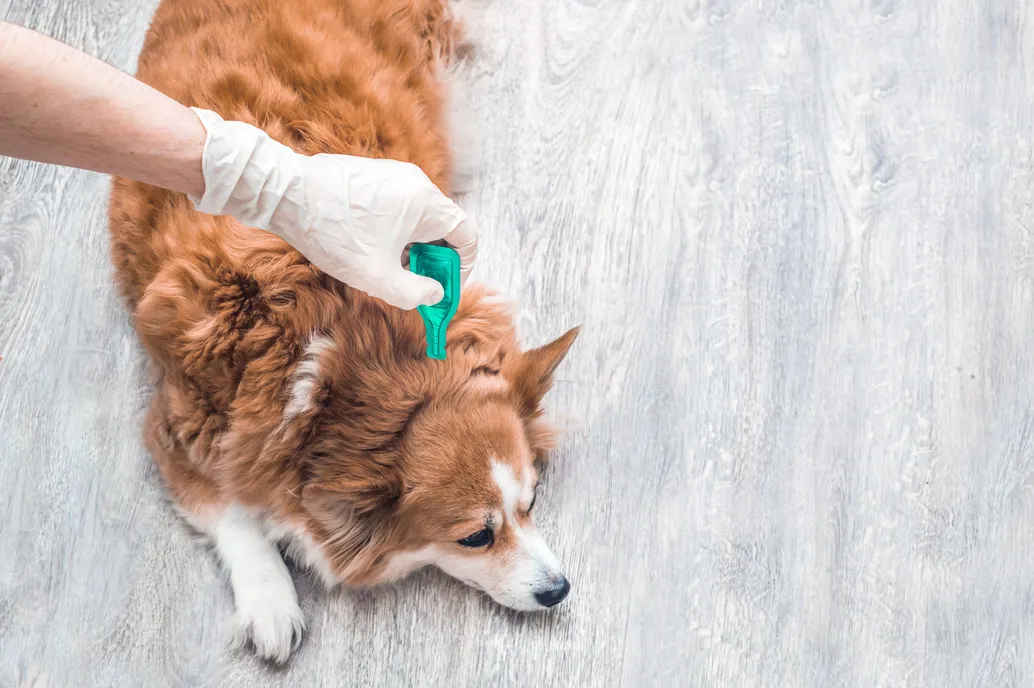
Numerous products exist, including topical spot-on treatments, oral chewables, and flea collars with varying durations of protection. The best option depends on your pet s age, weight, lifestyle, and any existing medical conditions. Some formulations also guard against heartworms or intestinal parasites for broader coverage. Our veterinarian reviews your pet s specific needs during an exam to recommend the most suitable and reliable product. Avoid over-the-counter generics without professional guidance, as improper use can lead to treatment failure or adverse effects.
Maintaining a Flea-Free Home Environment
Prevention extends beyond medication to include thorough home management. Vacuum carpets, furniture, and pet bedding frequently, then dispose of the bag or empty the canister outside immediately. Wash pet linens in hot water weekly to kill eggs and larvae. Treat outdoor areas where pets rest, such as shaded spots or kennels, with pet-safe environmental products when necessary. These steps break the flea life cycle and support the effectiveness of on-pet treatments for long-term control.
Staying Ahead of Seasonal Challenges
Flea and tick activity can fluctuate with weather patterns, so vigilance remains essential even during cooler months in some regions. Regular grooming helps you spot parasites early before infestations take hold. Annual wellness exams allow our team to adjust prevention plans based on your pet s changing needs. Acting before problems arise prevents unnecessary suffering and costly treatments later. Hope Animal Hospital in Molalla, OR stands ready to serve as your trusted veterinarian near you for tailored flea and tick prevention strategies. Contact our office today to schedule an appointment and ensure your pet receives the best protection this season.
