
Pet Dental Care FAQs from a Veterinarian Near You in Molalla, OR
Keeping your pet’s teeth clean isn’t just about fresh breath: It’s about protecting their long-term health. Dental problems can lead to pain, infection, and even damage to major organs if left untreated. At Hope Animal Hospital, your veterinarian in Molalla, OR, we get a lot of questions about pet dental care. Here are some of the common ones, answered simply and clearly.
Why Is Dental Care Important for Pets?
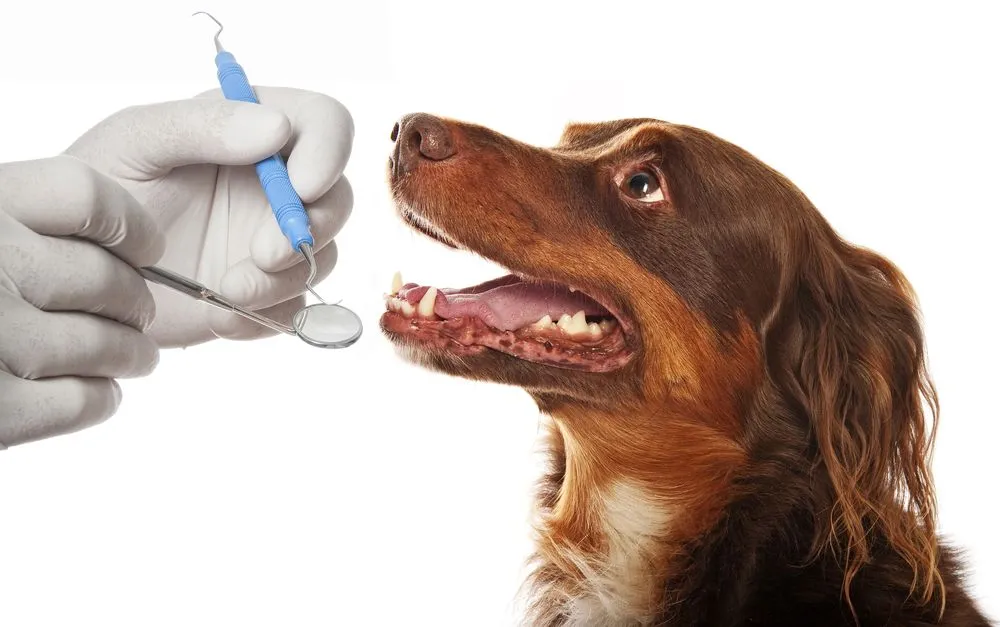
Dental disease is one of the most common health problems in dogs and cats. It often starts with plaque and tartar buildup, which can lead to gum inflammation, tooth loss, and infection. Poor dental health doesn’t just affect the mouth: Bacteria can enter the bloodstream and strain the heart, liver, or kidneys. Good dental care helps your pet live more comfortably and longer.
How Can I Tell if My Pet Has Dental Problems?
Some signs are easy to miss, especially early on. Watch for these clues:
● Bad breath
● Red or bleeding gums
● Trouble chewing or dropping food
● Pawing at the mouth
● Loose or missing teeth
Many pets show no signs until dental disease becomes advanced, which is why regular checkups matter.
How Often Should My Pet Have a Dental Cleaning?
Most pets benefit from a professional cleaning once a year, but this can vary depending on age, breed, and overall health. Some dogs—like small breeds or brachycephalic (short-nosed) dogs—need more frequent care. Cats prone to dental issues may also need extra attention.
Do Pets Need to Be Put Under Anesthesia for Cleanings?
Yes. Anesthesia allows for a safe, thorough cleaning below the gum line—where most problems begin. It also lets the veterinarian examine each tooth closely and take x-rays if needed. While it may sound scary, modern anesthesia is very safe, and pets are monitored closely throughout the procedure.
Can I Brush My Pet’s Teeth at Home?
Absolutely, and it helps a lot. Use a toothbrush and toothpaste made specifically for pets—never human toothpaste, which can be harmful. Start slowly, use gentle motions, and try to make it part of your pet’s routine. If brushing isn’t possible, dental chews, rinses, and certain diets can help reduce plaque.
Are Dental Chews and Toys Effective?
They can help control tartar and keep your pet’s mouth cleaner between cleanings. But they’re not a substitute for brushing or professional care. Be cautious with hard toys or bones, which can crack teeth.
Visit Us Pet Dental Care Treatment and Pet Dental Care Near You
A healthy mouth leads to a healthier body. At Hope Animal Hospital, your veterinarian in Molalla, OR, we believe dental care is just as important as vaccinations or nutrition. If you have questions or it’s been a while since your pet’s last dental check, we’re here to help you every step of the way. Call us at (503) 759-4673 for pet dental care treatment and pet dental care near you from a veterinarian near you.
