
At Hope Animal Hospital in Molalla, OR, we receive numerous questions from pet owners about keeping fleas and ticks at bay during peak seasons. These parasites spread quickly and carry risks of skin irritation, allergic reactions, and disease transmission. Many pets encounter them through outdoor exploration or even indirect contact in the home. Consistent flea and tick prevention forms a key part of preventive pet care that safeguards health and comfort. Our veterinarian provides tailored guidance to help every pet stay protected year-round.
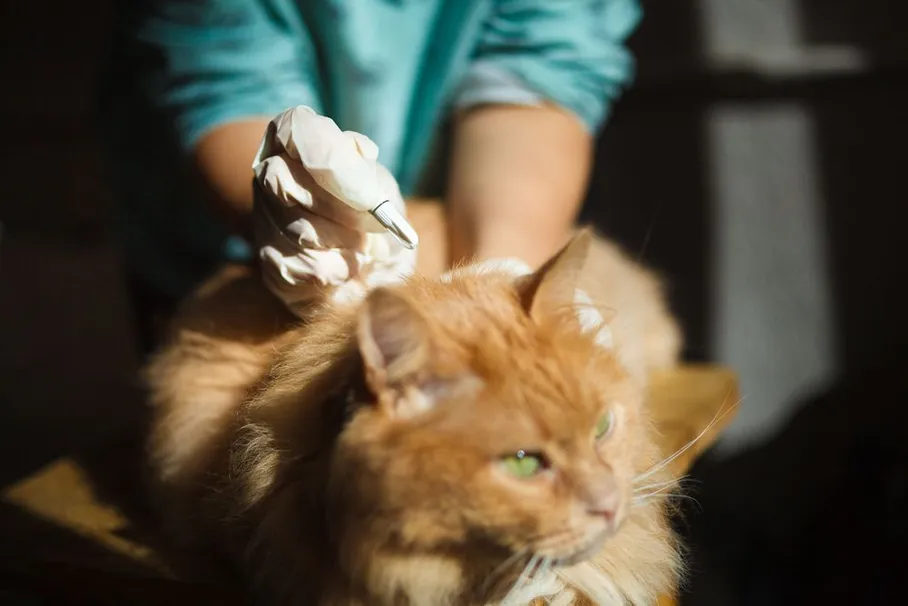
When Should Flea and Tick Prevention Start Each Year?
Prevention needs to begin before parasites become active in the environment. In our region, warmer temperatures often trigger flea hatching and tick activity as early as late winter or early spring. Waiting until visible signs appear allows infestations to establish and become harder to control. Year-round administration proves most reliable for pets in moderate climates where fleas survive indoors. Our veterinarian assesses local patterns and your pet s lifestyle to determine the ideal start date and duration.
Which Prevention Products Work Best for My Pet?
Multiple effective options exist, including oral tablets, topical applications, and certain collars designed for long-lasting coverage. The right choice depends on your pet s species, age, weight, and any concurrent health conditions. Some products combine flea and tick control with heartworm or intestinal parasite protection for added convenience. Over-the-counter items sometimes lack potency or safety compared to veterinary-prescribed formulations. Our veterinarian reviews current research and your pet s individual profile to recommend the most appropriate and dependable solution.
How Do Fleas and Ticks Affect Pet Health Beyond Itching?
Fleas trigger intense itching that leads to scratching, hair loss, and open sores prone to bacterial infection. Some animals develop flea allergy dermatitis, where even a few bites cause severe skin inflammation. Ticks transmit bacteria responsible for Lyme disease, anaplasmosis, and other illnesses that produce fever, lameness, and organ complications. Tapeworm segments often appear after pets ingest infected fleas during grooming. Early preventive pet care minimizes these serious consequences and reduces the need for extensive treatment later.
Can Indoor Pets Skip Prevention Entirely?
Even strictly indoor pets face exposure risks from fleas brought in on clothing, shoes, or other animals. Fleas thrive in carpeted homes and reproduce rapidly without consistent control measures. Ticks occasionally hitch rides indoors on people or wildlife that venture near entry points. Skipping prevention for indoor-only animals frequently results in unexpected infestations that prove challenging to eradicate. Our veterinarian advises protection for all pets to maintain a safe household environment.
Why Partner with Our Team for Prevention Needs?
Reliable flea and tick prevention requires more than a one-time purchase; it involves ongoing monitoring and adjustments as pets age or conditions change. Professional oversight ensures products remain effective against evolving parasite resistance. Hope Animal Hospital in Molalla, OR serves as your trusted veterinarian near you for comprehensive preventive pet care. Contact our office today to schedule a visit and secure the best flea and tick prevention plan for your companion.
